
The Strange Figures on the Journey
Death in VeniceThis flow follows the unsettling travelers and workers whose grotesque appearances foreshadow Aschenbach’s movement toward disorder.
increasing Bearing strength in each event
 decreasing
Bearing strength in each eventdecreasingThe Cemetery Stranger
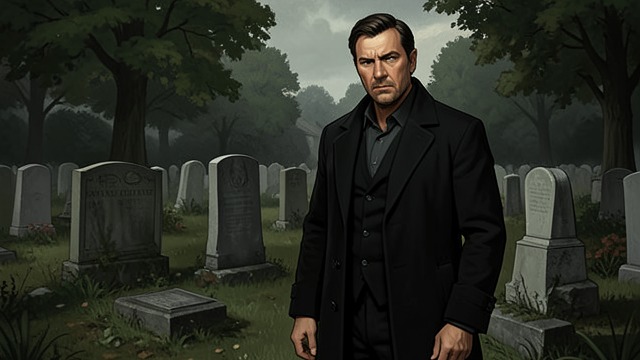
The Cemetery Stranger
An arresting appearance
Near the North Cemetery, Aschenbach notices an unfamiliar traveler with a forceful, almost savage bearing. The encounter awakens an unexpected appetite for distant places.
A catalyst rather than a guide
The stranger does not offer advice or a destination. His appearance acts as a trigger, releasing a longing that Aschenbach had kept beneath his disciplined routine.
The Painted Reveler
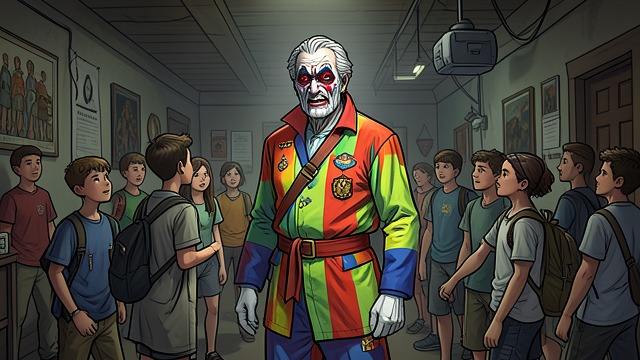
The Painted Reveler
Youth performed
Aschenbach discovers that a flamboyantly dressed traveler among young excursionists is actually old, painted, and disguised. The false appearance unsettles him more than the group’s easy acceptance of it.
A grotesque mirror
The traveler makes age and youth appear as a disturbing masquerade. His image anticipates Aschenbach’s later wish to alter his own appearance to resemble youth.
The Unlicensed Gondolier
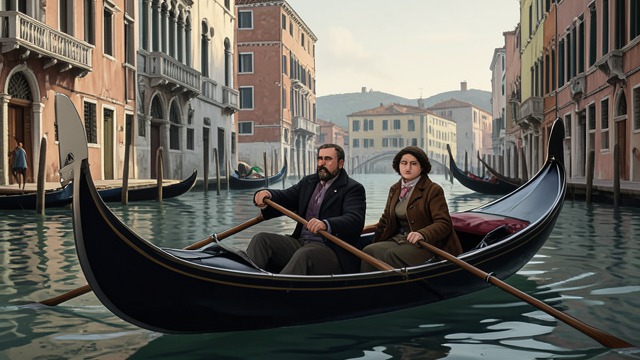
The Unlicensed Gondolier
A passenger overruled
The gondolier takes Aschenbach toward the Lido despite his objections. His commanding manner leaves the traveler strangely passive and willing to let events proceed.
A pattern of surrender
The encounter turns a practical transfer into an image of compromised agency. Aschenbach’s comfort in being carried foreshadows the larger surrender of judgment that follows.
The Street Singer
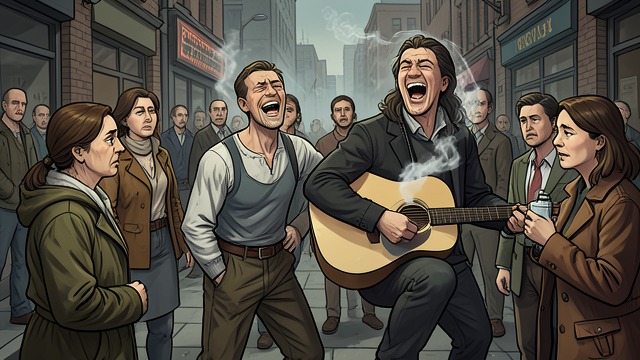
The Street Singer
A provocative performance
A singer entertains hotel guests with comic gestures and a laugh that turns infectious. Aschenbach notices a strong disinfectant odor around him that others seem to ignore.
Disorder made theatrical
The performer’s joke-filled denial echoes the city’s evasions. His grotesque laughter joins the entertainment to the epidemic’s hidden presence and intensifies the evening’s unease.
The Barber’s Transformation

The Barber’s Transformation
Youth manufactured
At Aschenbach’s request, the barber dyes and curls his hair and applies cosmetics to his face. The writer watches age replaced by an artificial appearance of youth.
The disguise completed
The makeover recalls the painted traveler and reveals Aschenbach’s willingness to become what he once observed with disgust. His external transformation makes his inward surrender visible.
The spring afternoon in Munich
During the voyage from Pola to Venice
On the first transfer to the Lido
During the hotel performance after the cholera rumors begin
During the last days at the Lido
